
Find the right Montessori school for your child
Explore Montessori programs across the United States — from infant communities to adolescent studios. Compare philosophy, accreditation, and ages served, then connect with the schools that fit your family.
- 28
- Montessori Schools
- 5
- Programs
- 1
- City
- 1
- State
The Montessori difference
What is a Montessori school?
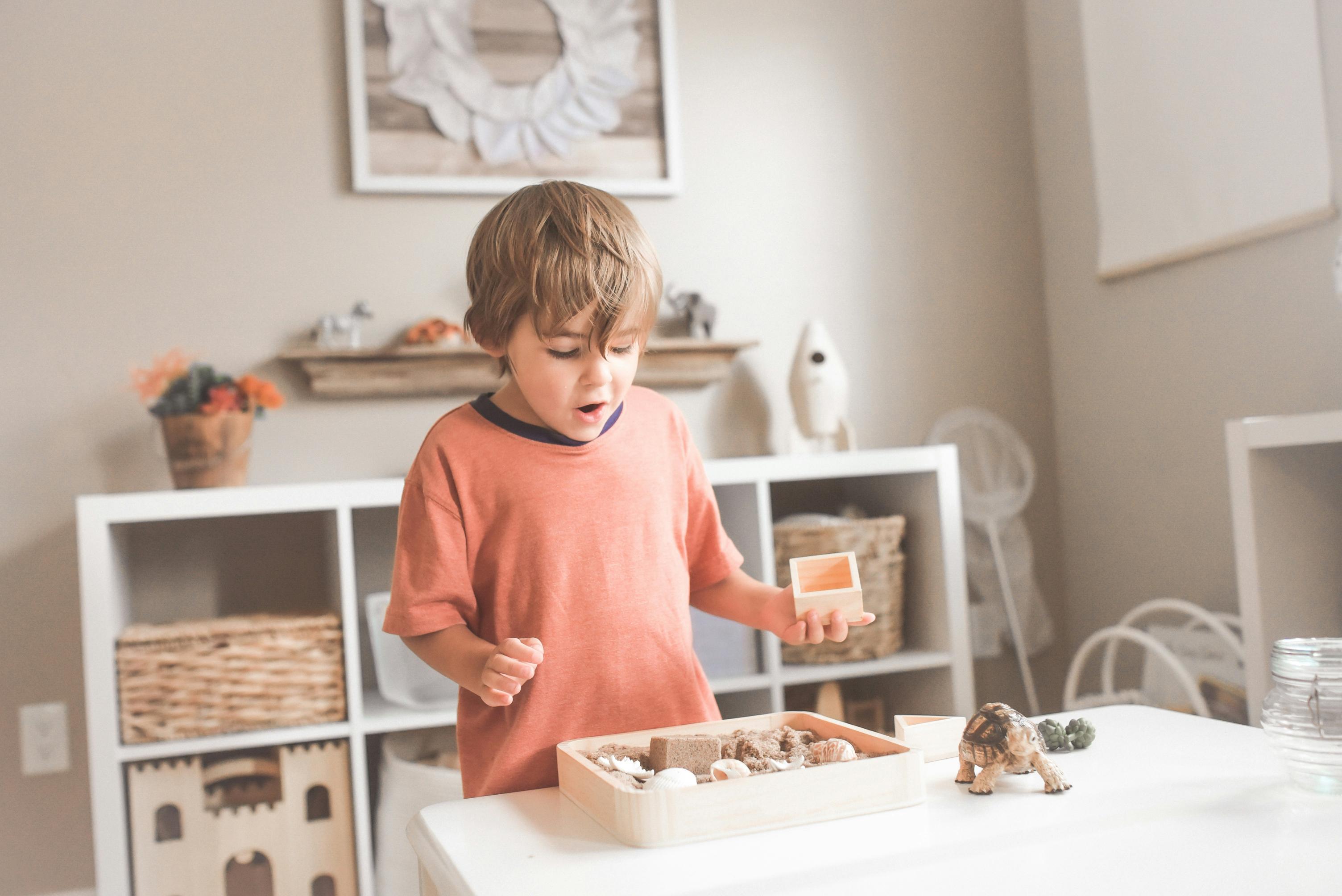
Developed by Dr. Maria Montessori more than a century ago, Montessori education rests on a simple idea: children learn best when they are free to explore a thoughtfully prepared environment at their own pace. Instead of rows of desks and one-size-fits-all lessons, a Montessori classroom is a community where children work with concrete, self-correcting materials, move freely, and develop independence, concentration, and a lifelong love of learning.
- Hands-on, self-correcting learning materials
- Uninterrupted work periods that build deep focus
- Mixed-age classrooms (0–3, 3–6, 6–9, 9–12)
- Freedom within clear, respectful limits
- Guides trained and credentialed in the Montessori method
Why Montessori
An education that follows the child
The prepared environment
Calm, beautiful classrooms with hands-on materials arranged so children can choose meaningful work and learn through discovery.
Self-directed learning
Children follow their curiosity at their own pace, guided — not pushed — toward independence, focus, and a genuine love of learning.
Mixed-age communities
Three-year age groupings let younger children learn from older ones and older children lead — building empathy, collaboration, and confidence.
Trained Montessori guides
Credentialed teachers (AMS / AMI) observe each child closely and offer the right lesson at the right moment, nurturing the whole child.
Explore programs by age
Montessori meets children where they are. Browse schools by the age and stage that fits your family.
Infants & Toddlers
Montessori infant and toddler programs (roughly 0–3) built around prepared environments, gentle independence, and care that follows your child’s natural development.
Primary / Early Childhood (3–6)
The classic Montessori Primary (Children’s House) years for ages 3–6 — hands-on materials, mixed-age classrooms, and the foundations of reading, math, and practical life.
Lower Elementary
Lower Elementary Montessori (roughly grades 1–3) where children move from concrete materials toward abstraction across language, mathematics, and the cultural subjects.
Upper Elementary
Upper Elementary Montessori (roughly grades 4–6) emphasizing research, collaboration, and the “going-out” work that connects the classroom to the wider community.
Secondary / Middle
Montessori secondary and middle-school programs for adolescents — academically rigorous, project-based learning paired with real-world responsibility and independence.
Browse by State
Ready to find the right fit?
Every child deserves a place to flourish. Browse Montessori programs and connect with schools near you.